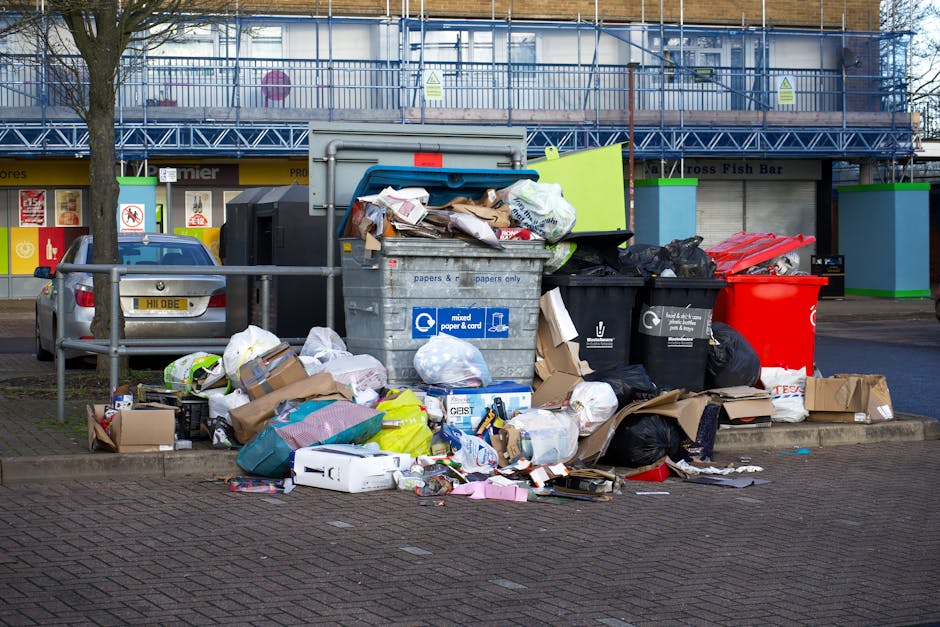
Avoid delays in Balham rubbish removal fast response: how to get waste cleared quickly without the usual hassle
If you need rubbish gone fast, the difference between a smooth job and a frustrating delay often comes down to preparation, timing, and choosing the right clearance team. In Balham, where streets can be busy, parking can be tight, and plans change quickly, Avoid delays in Balham rubbish removal fast response is not just a nice idea. It is the practical way to stop clutter turning into a bigger problem.
Maybe you have a flat that needs clearing before new tenants move in. Maybe the garage is full of broken furniture, or a shop back room has become a bit of a dumping ground. Whatever the reason, speed matters. And let's be honest, nobody enjoys looking at a pile of waste for one more day than necessary. This guide explains how fast-response rubbish removal works, what causes delays, how to avoid them, and how to make better decisions before you book.
You will also find a clear checklist, useful comparisons, and a realistic example so you can judge what to expect, not just what sounds good on a website.
Why fast rubbish removal matters in Balham
Delays in rubbish removal are rarely just an inconvenience. They can create knock-on issues that affect your home, business, or project timeline. In Balham, where space is often limited and access can be awkward, even a small delay can mean waste blocking a hallway, a garden path, or a loading point that everyone else needs.
There is also the simple fact that rubbish has a habit of attracting more rubbish. One bag becomes three. A broken wardrobe becomes a mini pile of timber, screws, old packaging, and that one mysterious cable nobody recognises. Before long, the job feels larger than it did at first glance. Fast response helps stop that spiral.
For households, speed can matter when you are moving out, dealing with a bereavement, getting ready for decorators, or trying to restore order after a stressful few weeks. For businesses, delays can affect customer experience, storage space, safety, and staff productivity. A cluttered stock room or office corner may sound minor, but in real life it slows people down every day.
There is another angle too: neighbour relations. In terraced streets and apartment blocks, waste left in shared areas can quickly become a nuisance. The smell of damp cardboard after rain, the scrape of bags across a landing at 7am, the awkward look from a neighbour who just wants the pavement clear. Not ideal.
Expert takeaway: fast rubbish removal is not only about convenience. It protects time, reduces stress, and helps you avoid the domino effect that a delayed clearance can cause.
How fast-response rubbish removal works
Fast-response rubbish removal is usually built around a simple process: enquiry, estimate, booking, arrival, loading, and disposal. The speed comes from reducing friction at each stage. In other words, fewer surprises, fewer back-and-forth messages, and fewer reasons for the crew to arrive and discover the job is very different from what was described.
A good service will usually ask for a few basics: what needs removing, roughly how much there is, whether access is straightforward, and whether anything is heavy, awkward, fragile, or restricted. If you can send a photo, that often helps more than a long explanation. A clear picture is worth a lot when the team is planning van space and labour.
The next part is scheduling. If you need a same-day or next-day collection, the main bottlenecks are usually availability, traffic, parking, and how prepared the site is. In Balham, parking and loading can be the tricky bit, not the lifting itself. A team may be ready to go, but if they have to spend half the visit looking for a place to stop, the whole thing slows down.
Then comes the removal itself. A well-organised crew will separate items sensibly, load efficiently, and keep the job moving. For mixed waste, it helps if the items are already grouped. Furniture together, loose bags together, electricals together. That kind of small prep makes a bigger difference than people expect.
If you want to understand the wider service categories that may sit around a fast collection, it can help to look at related pages such as waste removal, flat clearance, or house clearance. Those services overlap a lot in real life, especially when a job starts small and then grows.
Key benefits and practical advantages
The obvious benefit is speed. But the real value of a fast-response rubbish collection is what that speed unlocks. You get the space back sooner, you can continue the next job sooner, and the whole day feels less fragmented. To be fair, that calm feeling matters almost as much as the cleared room.
- Less disruption: You are not living or working around the mess for days.
- Better planning: Trades, movers, or cleaners can follow on without delay.
- Reduced safety risk: Fewer trip hazards, fewer blocked exits, less clutter in shared spaces.
- More efficient use of labour: One well-timed visit is usually better than several partial attempts.
- Better first impressions: Useful for landlords, agents, landlords' inspections, and business premises.
There is also a financial angle, even if people do not always notice it straight away. Delays can lead to repeated bookings, extra labour, or urgent rescheduling. The job itself may be straightforward, but the logistics end up costing more because everything had to be done twice. Nobody wants that. Not really.
For businesses, fast clearance can protect customer experience and operational continuity. For homeowners, it can stop a simple tidy-up from becoming a weekend-long saga. And if you are clearing items as part of a move, the advantage is obvious: the removals team can work in a cleaner, safer environment, which usually makes the entire day less stressful.
Who needs this and when it makes sense
Fast rubbish removal makes sense for anyone who wants waste gone before it creates a bottleneck. That sounds broad, because it is broad. In practice, though, certain situations benefit more than others.
Households often need a quick response after a clear-out, a move, a renovation, or a surprise burst of DIY enthusiasm. We have all seen it: you start with a shelf or two and suddenly the hallway is full of timber offcuts, packaging, and old fittings.
Landlords and letting agents may need urgent clearance between tenancies. Time is tight, and the aim is usually to get the property clean, safe, and ready for the next step without dragging it out.
Businesses may need waste removed from an office, shop, clinic, storage room, or back-of-house area. A blocked workspace slows everything down, and in some settings it can create compliance or safety concerns too.
Contractors and trades often need builders' waste cleared quickly so the site can keep moving. Bags, offcuts, rubble, packaging, and dismantled materials can get in the way if they hang around for too long. If you are in that position, builders' waste clearance is the sort of service that keeps the project tidy and manageable.
House clearances after difficult life events are another common case. When emotions are already running high, having a punctual, organised clearance team can remove one more burden from the day. That is not a small thing.
Step-by-step guidance to avoid delays
If your goal is to avoid delays in Balham rubbish removal fast response, the process starts before anyone lifts a single bag. A little preparation goes a long way.
- Sort the waste into rough groups. Separate general rubbish, furniture, electrical items, cardboard, and anything that may need special handling. You do not need museum-level precision. Just make it obvious.
- Take clear photos. Shoot the full pile, then a few close-ups of awkward items. Good pictures help with quoting and planning.
- Check access. Can a van stop nearby? Is there a lift? Are stairs narrow? Are there parking restrictions? These details matter more than people realise.
- Be honest about volume. Underestimating the amount of waste is one of the quickest ways to delay a collection. If in doubt, round up.
- Flag bulky or awkward items early. Wardrobes, mattresses, fridges, office desks, and mixed debris can change the load plan.
- Choose a sensible time window. Early bookings can be easier for traffic and access. Midday can work too, but around busy periods there may be more waiting.
- Keep the route clear. Hallways, stairs, and doorways should be unobstructed so the crew can move safely and quickly.
- Ask about recycling and disposal. It is useful to know how mixed waste will be handled, especially if you care about sustainability or need clearer documentation.
A small practical example: if you have a pile of old chairs, a dismantled wardrobe, and a few bags of household rubbish, do not leave them spread across three rooms. Bring them together in one place if possible. The crew can then load efficiently rather than playing a short but annoying game of "where is the rest of this?"
Expert tips for better results
There are a few habits that consistently reduce delays, and they are all fairly simple. None require special tools or a spreadsheet, thankfully.
1. Share the worst-case version of the job. If the pile might grow between booking and collection, say so. It is better to over-communicate a little than to have the team arrive and find the job has doubled. Happens all the time.
2. Keep special items separate. Fridges, mattresses, office electronics, confidential documents, and certain waste types often need handling on their own. Mixing them in with general rubbish can slow the job down.
3. Don't block access just to "keep things tidy". It sounds odd, but some people stack items in a way that makes them look neat while making them harder to remove. A clear path is better than a pretty pile.
4. Pick up the phone if the job changes. If you add items after booking, let the team know. A two-minute call can save twenty minutes of chaos later.
5. Use a service that explains what it can and cannot take. That transparency matters. If a provider is vague about restricted items, you may end up with last-minute surprises.
Here is a simple truth: speed is often a by-product of clarity. Clear instructions, clear access, clear expectations. That is the recipe.
Common mistakes to avoid
Most delays come from a handful of repeat mistakes. Once you know them, they are easy enough to avoid.
- Sending vague descriptions: "Just a bit of rubbish" is not useful. A few photos are better.
- Forgetting about parking or loading access: In Balham, this can become the main delay very quickly.
- Leaving items spread across multiple rooms: It adds time, effort, and confusion.
- Mixing normal waste with restricted items: This can slow collection or require a separate arrangement.
- Booking too late in the day: If you need same-day help, earlier is usually safer.
- Assuming "fast" means "anything goes": It does not. Some items need careful handling or specialist disposal.
One of the more common frustrations is assuming that the cheapest or quickest-looking option will be the simplest overall. Sometimes it is. Sometimes not. The real question is whether the service can respond quickly and deal with your actual waste without extra back-and-forth.
If you want to avoid awkward pricing surprises as well, it is worth reading about how to avoid hidden rubbish removal fees in Balham. That one catches people out more often than it should.
Tools, resources and recommendations
You do not need specialist equipment for most domestic or light commercial clearances, but a few simple tools help a lot.
- Phone camera: For photos and quick updates.
- Strong gloves: Useful if you are sorting sharp or dusty items before collection.
- Labels or marker tape: Handy for marking items that should stay, go, or be handled carefully.
- Clear bags or boxes: Better for loose waste than piling everything in a corner.
- Basic measuring estimate: Roughly knowing whether you have a few items, half a van, or a full load makes communication easier.
When you are dealing with mixed household items, some related services can be helpful depending on what you have. For example, furniture disposal is useful if the problem is mainly bulky items, while furniture clearance may suit larger room-by-room clear-outs. If the job includes broken white goods, you may also want to look at fridge and appliance removal.
For bigger domestic jobs, especially after a move or renovation, home clearance and loft clearance can be relevant too. The useful bit is this: choose the closest fit for the job, not the broadest-sounding one. That tends to save time.
Law, compliance and best practice
Rubbish removal in the UK sits within a framework of duty of care, safe handling, and responsible disposal. You do not need to become a compliance expert to book a clearance, but it is wise to know the basics.
First, certain materials need special handling. Hazardous or potentially hazardous items should not be treated like ordinary household rubbish. If you are unsure whether something falls into that category, ask before booking. That is a lot safer than guessing. For those situations, a dedicated hazardous waste disposal service may be more appropriate.
Second, waste should be transported and disposed of properly. Reputable operators should have sensible internal processes for loading, sorting, recycling, and disposal. You do not need every operational detail, but it is fair to expect clear standards and transparent handling.
Third, if the clearance involves a business premises, you may need to think about office items, confidential documents, or health and safety around the workspace. A service such as office clearance or confidential shredding may be appropriate depending on what is involved.
Fourth, safety matters. Heavy lifting, awkward loads, and sharp edges create risks if the job is rushed badly. A fast response should still be a safe response. That balance is key. If a provider has clear policies around risk, insurance, and handling, that is usually a good sign. You can also look at insurance and safety and health and safety policy information where available.
In practice, good compliance is not flashy. It is the boring, reassuring stuff: correct handling, no corner-cutting, no mystery disposal, and no surprises later. Which, frankly, is exactly what most people want.
Options and comparison table
Not every clearance needs the same approach. The right option depends on how much waste you have, how quickly you need it gone, and whether the items are bulky, mixed, or sensitive.
| Option | Best for | Speed | Pros | Limitations |
|---|---|---|---|---|
| Single-item collection | One or two bulky items | Very fast | Simple, focused, easy to schedule | Not ideal for larger clear-outs |
| General rubbish removal | Mixed domestic or light commercial waste | Fast | Flexible and practical | Needs accurate description for best results |
| Furniture-specific removal | Sofas, wardrobes, tables, mattresses | Fast to moderate | Good for bulky items | May not suit mixed rubbish |
| Full property clearance | Homes, flats, offices, or estates | Moderate | Covers more in one visit | Needs more planning and access preparation |
| Specialist disposal | Appliances, hazardous items, confidential waste | Moderate | More suitable for restricted waste | Usually requires extra detail before booking |
If your job is mostly garden waste, a tailored service can also help. A garden clearance is often quicker than trying to fit green waste into a general clear-out booking. Same idea for garages, where garage clearance can be the more efficient route.
Case study or real-world example
Here is a realistic example. A Balham resident is preparing a two-bedroom flat for new tenants. The place is mostly fine, but the spare room has become a storage zone: an old desk, a damaged chair, a broken bedside cabinet, several black bags, and packaging from a recent delivery. The handover date is close. Very close.
The first mistake would be to send a vague message saying, "Need rubbish removed soon." That usually leads to extra questions and a slower turnaround. Instead, the resident takes three photos: one from the doorway, one close-up of the furniture, and one of the hallway showing access. They also mention that parking outside is possible for a short stop, but only at certain times.
The job is then easier to plan. The waste is all moved into one room, loose items are bagged, and the route is cleared before arrival. The crew can get in, load efficiently, and leave without fuss. The whole thing is not dramatic. And that is the point. The best fast-response jobs tend to feel almost uneventful because the preparation did the heavy lifting.
If the same flat also had an old sofa or mattress, adding a service like mattress and sofa disposal would make the booking more accurate from the start. Small detail, big difference.
Practical checklist
Use this checklist before booking if you want to reduce delays and make the collection smoother.
- Take clear photos of everything that needs removing.
- List any bulky items separately.
- Check whether access is via stairs, lift, rear entry, or roadside only.
- Confirm whether parking or loading space is available nearby.
- Group the waste into one area if possible.
- Separate items that may need special handling.
- Measure unusually large items if they look awkward.
- Ask how the service handles recycling and disposal.
- Make sure the route out of the property is clear.
- Tell the provider about anything that could change the timing.
- Keep your phone close in case the crew needs a quick clarification.
Quick summary: the more the provider knows in advance, the fewer delays you are likely to face. Simple as that. Not always effortless, but simple.
Conclusion
When you need rubbish removed quickly in Balham, the smartest move is not to rush the booking blindly. It is to prepare well enough that the service can move fast without guessing. That is how you avoid wasted time, repeated visits, and avoidable stress.
Think of it this way: speed comes from clarity. Clear photos, clear access, clear instructions, clear expectations. Once those are in place, a fast-response collection is much more likely to stay fast. And if the job is bigger than expected, you will know that early rather than halfway through.
Whether you are clearing a flat, tidying a business space, or getting rid of awkward bulky items, a careful approach now usually saves you hassle later. A bit of preparation today can make the whole thing feel lighter. Which, after all, is the whole point.
Get a free quote today and see how much you can save.
Frequently Asked Questions
How can I avoid delays in Balham rubbish removal fast response?
The best way is to provide clear photos, accurate item descriptions, and straightforward access details before booking. If the provider knows exactly what is there and how to reach it, they can plan the visit properly and reduce waiting time.
Is same-day rubbish removal possible in Balham?
Often, yes, depending on schedule, access, and the size of the job. Same-day collections are more likely when the waste is clearly described, the location is easy to access, and the booking is made early enough in the day.
What information should I send for a faster quote?
Send photos, a rough list of items, the property type, access details, and anything unusual such as stairs, parking limits, or bulky furniture. That tends to get a more accurate and quicker response than a vague message.
Why do rubbish removal jobs get delayed?
Delays usually happen because the waste volume was underestimated, access was harder than expected, parking was unclear, or restricted items were not mentioned up front. A surprisingly large number of problems come down to missing details.
Can I leave the rubbish outside for collection?
Sometimes, but only if the arrangement has been agreed in advance and it is safe and practical to do so. In many cases, keeping the waste secure and clearly grouped is better than leaving it exposed on the street or pavement.
What kind of waste needs special handling?
Items such as fridges, some appliances, hazardous waste, confidential documents, and certain bulky materials may need specific handling. If you are unsure, ask before booking so the collection can be planned properly.
Does separating items help speed things up?
Yes, usually. Grouping furniture, bagged rubbish, cardboard, and special items together makes loading quicker and reduces the chance of confusion. It is a small effort that often pays off.
Is fast rubbish removal more expensive?
It can be, depending on timing, volume, and urgency. That said, a quicker and better-planned collection may still be more cost-effective than dealing with repeated visits or avoidable delays. Accuracy at the start matters.
What if I have a mix of furniture and general waste?
That is very common. Mixed loads are usually manageable, but it helps to mention the furniture separately so the team can bring the right equipment and allow enough loading space. Services like furniture disposal or general waste removal may be a better fit than one broad description.
Do I need to be present during the collection?
Not always, but someone may need to be available to confirm access, answer questions, or authorise the work. If you cannot stay, arrange the details carefully beforehand so there are no delays at the door.
How do I know if a provider is reliable?
Look for clear communication, transparent pricing information, sensible safety practices, and a straightforward explanation of what they can remove. A provider that asks the right questions up front is usually a better sign than one that promises everything without detail.
What should I do if the waste is larger than I first thought?
Let the provider know as soon as possible. It is much easier to adjust the booking before arrival than to deal with surprises on site. Being upfront usually saves time and keeps the job moving.
Can rubbish removal help before a move or refurbishment?
Absolutely. Fast clearance is especially useful before moving day, decorating, or renovation work because it clears space and reduces last-minute stress. A tidy area also makes follow-on trades work more safely and efficiently.
What is the most important thing to remember?
Be clear, be honest, and prepare the access route. Those three things solve more delay problems than anything else. The rest is mostly good timing and sensible planning.
If you are ready to clear space without the usual back-and-forth, a well-planned fast response can make the job feel a lot lighter. Sometimes that is all you need to get the day back on track.